What Makes Australia's Childcare Education Unique?

Unique Approaches to Learning
Exploring new educational paths can be quite invigorating, especially when it comes to finding unique approaches to learning. In Brisbane, we've found inspiration in places like South Bank Parklands to foster creativity and holistic thinking. The beauty of our surroundings inspires the design of innovative programs, such as child care courses, which open doors to a world of opportunities in nurturing and educating young minds. This learning journey is both rewarding and impactful, particularly when pursued through programs like aged care training and certifications such as the cert 3 in individual support.
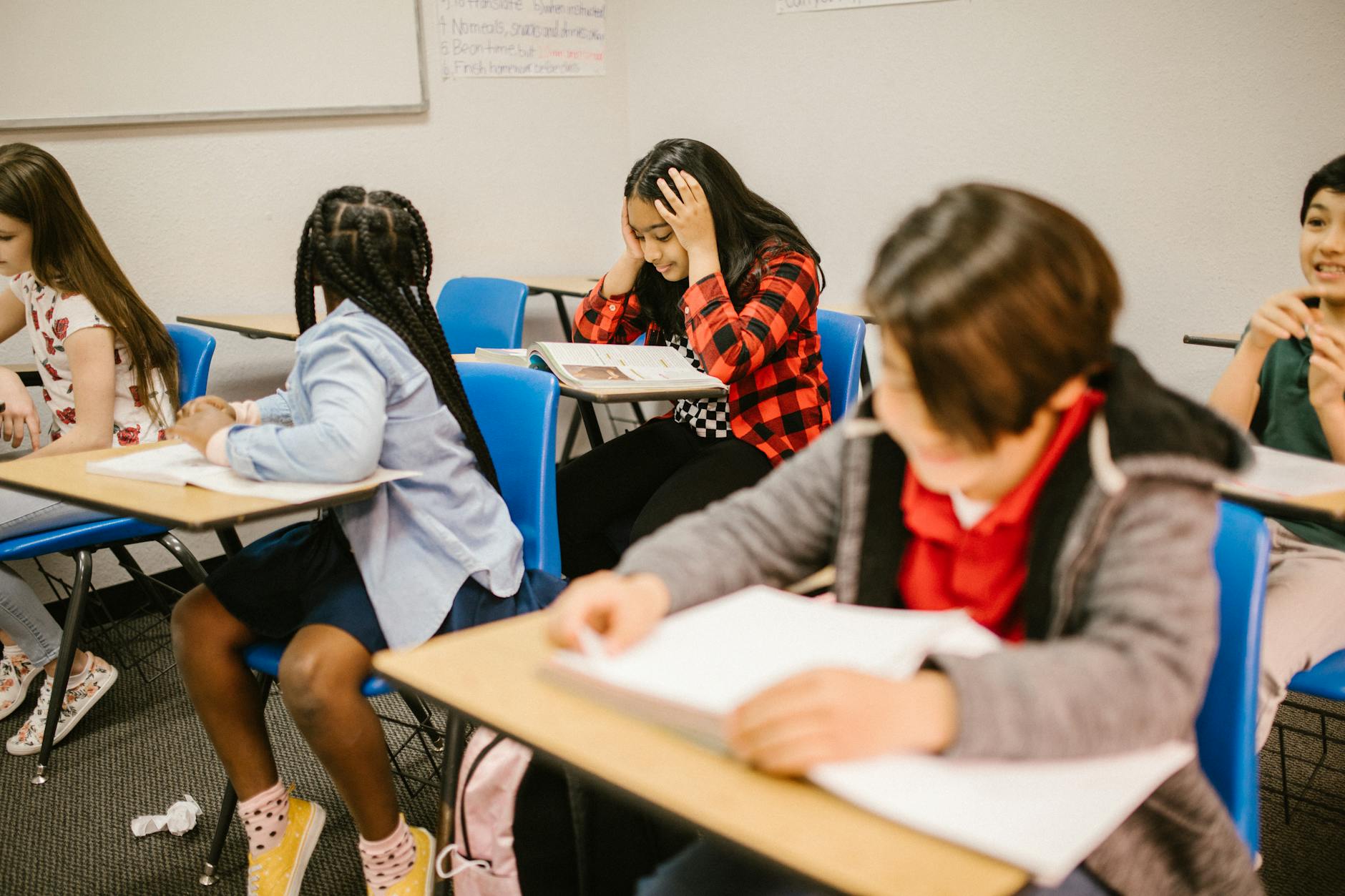
When we delve into play-based learning benefits, it’s fascinating to see how this method encourages essential cognitive and social skills among children. Creative environments also prioritize inclusivity in the classroom, ensuring that every child feels valued and understood.
Here’s a snapshot of what these approaches entail:
- Play-Based Learning: Engages children in activities that promote cognitive and emotional development.
- Creativity Emphasis: Encourages exploration and innovation.
- Inclusivity: Fosters an environment where each child can thrive, adapting to diverse needs.
With programs and resources made accessible right at the heart of Brisbane, learners are empowered to transform their passion into a fulfilling career while enjoying a creative boost from surroundings like South Bank Parklands. By engaging with innovative training, individuals not only enhance their skills but also contribute positively to the community.
Curriculum Differences
Holistic Development Focus
In the vibrant city of Brisbane, where inspiration flows as freely as the Brisbane River, a focus on holistic development in education is more than a trend—it's a necessity. As a primary school teacher committed to nurturing the whole child, exploring topics like early childhood education can dramatically enhance your understanding. This approach doesn't just focus on academics; it embraces a child's emotional, social, and physical growth, allowing students to thrive in a supportive environment. Incorporating mindfulness practices or creative arts into lesson plans can be a game-changer in facilitating a well-rounded education.
Integration of Indigenous Cultures
Understanding and integrating Indigenous cultures into the curriculum is essential for creating an inclusive and respectful learning atmosphere. When teaching, consider how traditional stories and community values can be woven into various subjects. After all, acknowledging Australia’s rich cultural tapestry enriches both educators and students alike. Enrolling in special courses or workshops can expand your knowledge, making your teachings more impactful and culturally sensitive.
STEM in Early Education
For a modern touch, consider the role of STEM in early education. Science, technology, engineering, and mathematics offer endless opportunities to inspire curiosity and innovation. Younger students can benefit greatly from interactive and practical experiences in these fields, often through playful learning scenarios. Online resources and courses like aged care courses online and certificate iv in mental health are handy for educators seeking to integrate these components effectively into their teaching regimes. With this foundation, you empower students to engage with the world confidently and creatively.
Certainly! Here’s the output tailored to your requirements:
Teacher and Staff Roles
Professional Development
Professional development in education is a vital component in nurturing effective teaching approaches. For those like Lachlan Mitchell, eager to transition into roles more aligned with community focus, exploring community services courses can be an excellent start. These courses offer insights into improving communication skills and understanding child psychology beyond the classroom. Engaging in continuous learning helps educators blend innovative strategies with traditional methods, fostering a dynamic learning environment.
Collaborative Teaching Environment
A collaborative teaching environment is indispensable for fostering creativity and efficiency. Teachers benefit from shared resources and diverse perspectives, contributing to a well-rounded educational experience. Imagine brainstorming sessions held in New Farm Park, exchanging ideas in a vibrant atmosphere. This collaborative approach not only boosts morale but also equips teachers to handle varied educational challenges effectively.
Emotional Intelligence Training
Emotional intelligence training is crucial in educational environments, especially when transitioning into healthcare-related fields like childcare or aged care. Understanding emotions, both personally and in others, enhances teachers' ability to connect authentically with students and colleagues. For those drawn to remote learning, childcare courses online can offer flexible options to develop these skills. This learning pathway enhances educators' capabilities to manage classroom dynamics while supporting children's emotional growth.
Parent and Community Engagement
Parental Involvement Strategies
Bridging the gap between school and home begins with effective strategies to engage parents in their child's education. For teachers like Lachlan, fostering parental involvement can significantly enhance a child’s learning experience. One approach is to establish open lines of communication through regular updates and feedback sessions, perhaps using platforms akin to interactive webinars for added convenience. This can help parents feel more connected and informed, enabling them to support their child’s education better.
Community Resources and Support
Connecting with local community resources is another vital element of educational support. Resources, such as courses in community services and aged care, provide opportunities for broader engagement and skill development. These offerings are much like a diploma of community services, which can give parents insights into community-oriented careers while enhancing skills that benefit the broader educational environment. Leveraging community resources ensures that families have access to external support systems, enhancing both classroom learning and general well-being.
Building Strong Connections
Creating strong bonds between school, home, and the community requires collaborative efforts and creativity. Networking opportunities, akin to meet-ups at Brisbane’s Queen Street Mall, allow parents and educators to share ideas and strategies. Such collaborations can spark new initiatives and bring community projects to life, fostering a nurturing environment for children. For example, aged care courses offer valuable perspectives on community engagement, which can be integrated into educational projects, providing real-world learning experiences. By incorporating these elements, educators can create an inclusive ecosystem that enhances the educational journey for everyone involved.
Overcoming Challenges in Childcare
Meeting Diverse Needs
Navigating the vibrant landscape of childcare, especially amidst child care subsidies, requires strategies as tailored as designing an art piece with the stunning views of South Bank Parklands as your muse. Differentiating instructional approaches to support children from varied backgrounds becomes key. Think design thinking workshops at New Farm Park, where diverse ideas can blossom in the open air. This atmosphere emphasizes inclusive techniques like multilingual teaching aids or sensory play setups, which cater to children with different learning styles and needs.
Striking a Balance between Regulations and Flexibility
Imagine your childcare service as an electric street performance on Queen Street Mall. There's a balance between creativity and adhering to city regulations. Similarly, it's vital to navigate the legislative framework while maintaining the essence of innovative education methods. By using creative marketing tips, such as digital storytelling or infographics, you can keep communication exciting for both educators and parents, making it easier to implement regulatory changes without stifling flexibility.
Securing Funding and Resources
Achieving educational goals without the right resources is like trying to conduct a group yoga session at New Farm Park in peak hour without the mats. Access to adequate funding is crucial, and exploring partnerships with community businesses or leveraging platforms for crowd-funded educational projects can create engaging learning environments. These initiatives not only enrich the education provided but also empower educators to adapt and grow, ensuring sustainable development.